Built For Predictable Executable Orthodontic Outcomes
myline is a clinically driven digital aligner system developed for doctors who demand more than aesthetic alignment.
Our impact
We’ve spent over 10 years focused exclusively on digital orthodontics
supporting orthodontists and dentists across international markets with planning protocols designed to work in the mouth, not just on the screen.
To support clinicians with aligner systems that translate real orthodontic principles into measurable outcomes—from root-based planning to reliable clinical results.
The doctor is not just a client — but a true clinical partner.
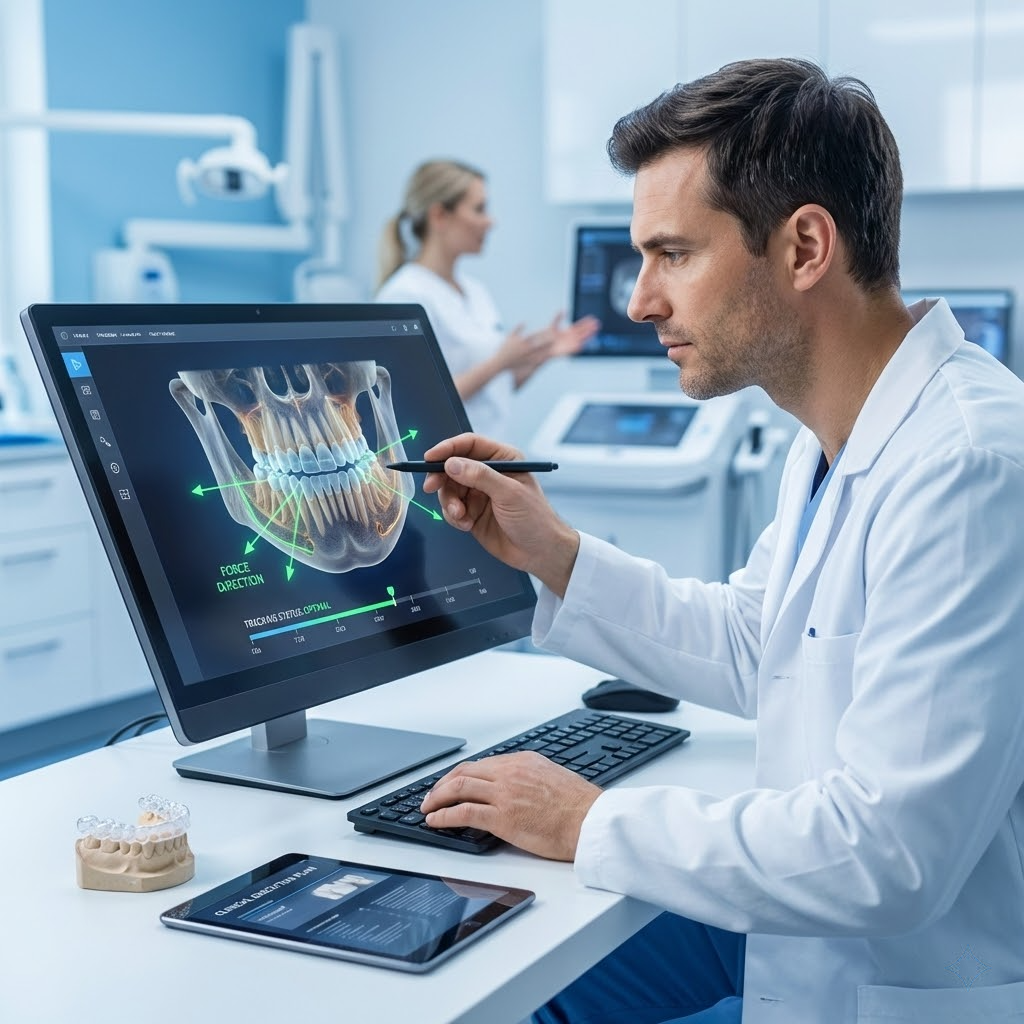
We aim to elevate the doctor’s role from case submitter to treatment collaborator. Through our fully controlled and editable viewer and our in-house workflow, we support clinicians in treatment planning, biomechanics decisions, and outcome predictability.
This partnership model allows continuous development and a higher standard of care — bringing orthodontics one step closer to precision.

Closing the Care Gap
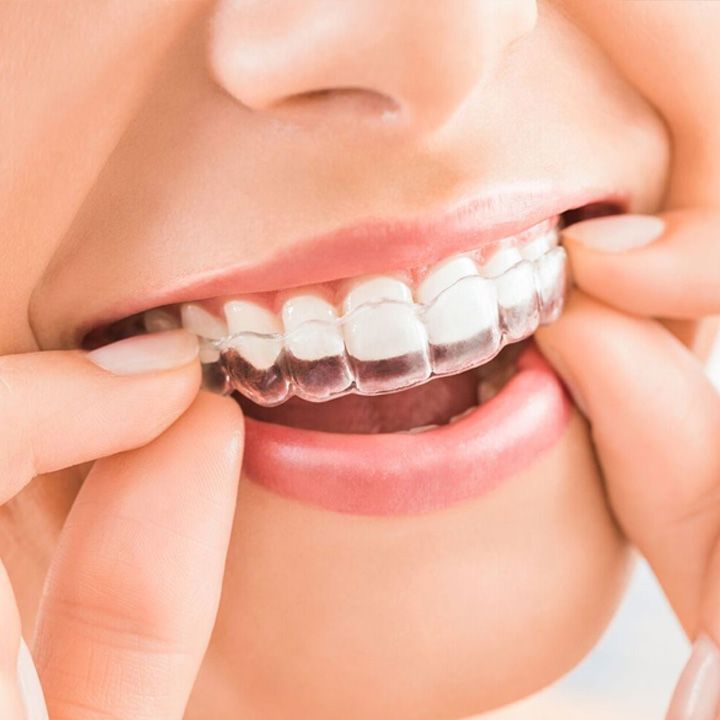
We identified a gap between orthodontic clinical needs, patient expectations, and available aligner providers.
Most existing solutions rely on standardized systems, while true orthodontics requires full customization.
What Defines Treatment Success:
-
Fully customized treatment planning.
-
Patient-specific biological considerations.
-
Stage-specific material selection.
-
Advanced biomechanical control.
-
A treatment-centered, not product-centered, approach.
Our centralized planning and in-house production philosophy bridge this gap, enabling more predictable outcomes and higher clinical precision.
By bringing production in-house, we gain greater control, faster iteration, and improved treatment execution.
Our Clinical Philosophy
The Real Reason Some Clear Aligner Treatments Fail ــ Is the Problem the Aligner… or the Protocol?
-
Clear aligner outcomes fail when biological reality is not reflected in the treatment protocol.
-
Many systems still use standardized planning models, applying the same staging and force logic to all patients.
-
However, every patient has unique biological and biomechanical characteristics, along with different levels of compliance.
-
When these factors are not fully integrated into treatment design, predictability decreases, tracking becomes inconsistent, and refinements increase.
What Defines Treatment Success
-
Customized movement protocol tailored to each patient’s biological factors.
-
Stage-specific design with individualized material range aligned with required orthodontic force dynamics.
-
Reliable tracking from start to finish.
-
Minimal need for mid-course corrections or refinements.
-
Completion within the expected timeline and clinical parameters.

OUR FOUNDATION
We don’t just help you submit cases.
We help you finish them predictably.
At myline, we don’t view aligners as a commodity.
We view them as a shared clinical responsibility between doctor and system.
That’s why our foundation is:
Elevate Your Clinical Standard.
Why Choose MyLine
Addressing Real Clinical Challenges.
Most doctors don’t struggle with case submission. They struggle with:
1. Loss of tracking
2. Excessive refinements
3. Time-consuming chairside corrections
4. Mid-treatment drift from the original plan
Superior Engineering
What makes myline different
From direct-printed memory shape materials to human-led orthodontic supervision, every aspect of our workflow is optimized for clinical precision and fewer refinements.
01.
Root-Based Planning
Every case is reviewed with careful attention to root position, bone limits, and biomechanical feasibility—minimizing resistance and unexpected tracking loss.
02.
Executable Staging
Movements are sequenced based on what can be delivered clinically, not just what looks smooth digitally.
03.
Controlled Force Delivery
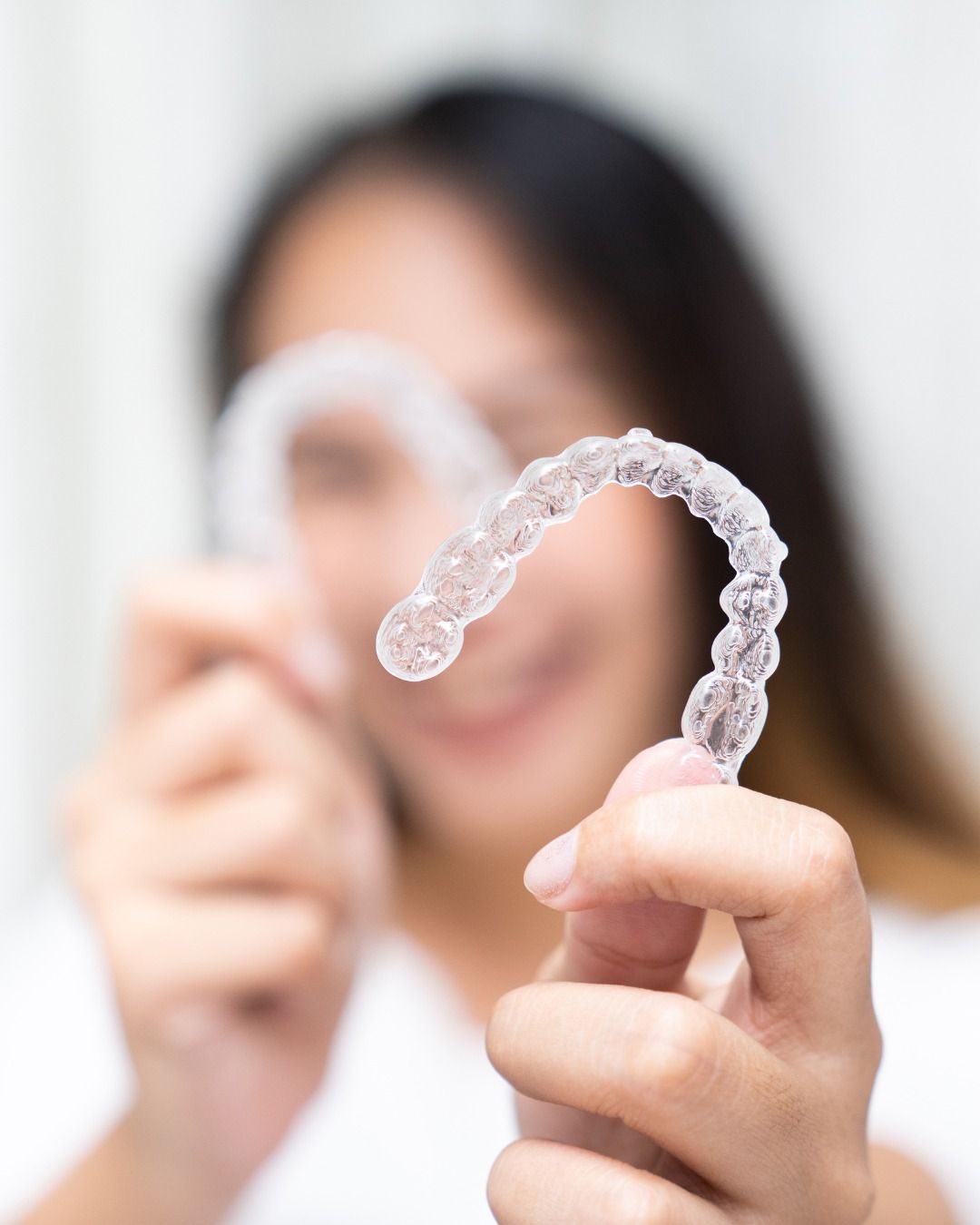
Direct-printed aligners with regulated thickness and memory-shape behavior support stable, sustained force, improving tracking and outcome predictability.
04.
Fewer Unplanned Refinements
Sound planning decisions upfront result in:
-
Fewer mid-case corrections
-
More efficient follow-ups
-
More confident delivery timelines
05.
Clinical Support, Not Software Automation
AI assists in risk detection, but clinical decisions remain under orthodontic supervision.
We don’t replace your judgment.
We support it.